


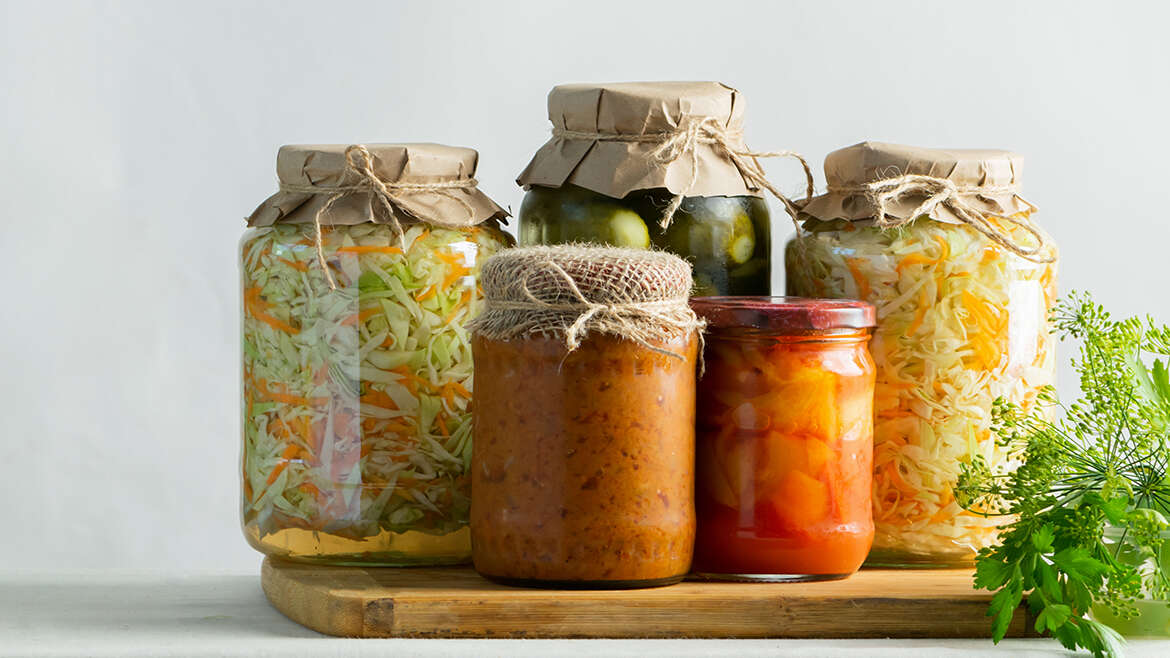
Fermenting fruits and vegetables is not just a culinary trend — it’s a time-tested tradition with roots stretching across continents and centuries. We’re excited to explore this ancient practice that unites health, culture, and community.
Across the globe, cultures have turned to fermentation to preserve their seasonal harvests. In regions with harsh winters and limited crop availability, fermentation became essential for survival. In places like Eastern Europe, Asia, and the Middle East, vegetables like cabbage, radish, and turnips were naturally fermented to create nourishing foods that could last through the cold months. From Korean kimchi and German sauerkraut to Indian pickles and Latin American curtido, each culture developed its own unique fermented recipes — not just for taste, but also for well-being.
So what makes fermented fruits and vegetables so beneficial?
1. Gut Health and Digestion
Fermentation promotes the growth of good bacteria, or probiotics, which play a crucial role in balancing the gut microbiome. This balance helps improve digestion, reduce bloating, and enhance nutrient absorption. Including a small portion of fermented foods in your daily meals can make a big difference to your digestive health.
2. Natural Immunity Boost
A healthy gut is closely linked to a strong immune system. The beneficial bacteria found in fermented foods support immune function by encouraging the body to produce more antibodies and regulate inflammation. It’s like having a natural defence team working for your health from within.
3. Nutrient-Rich Goodness
Fermented fruits and vegetables are packed with vitamins — especially B vitamins, vitamin C, and vitamin K. The fermentation process not only preserves nutrients but can also make them more bioavailable, meaning your body can absorb and use them more effectively.
A Link to Ancient Wisdom: Ayurveda
Fermentation also holds a special place in Ayurveda, India’s traditional system of medicine that dates back thousands of years. According to Ayurvedic principles, fermented foods — when taken in moderation and at the right time — help kindle agni (digestive fire), aiding digestion and assimilation of nutrients. Fermented preparations like kanji (spiced fermented carrot drink) or takra (fermented buttermilk) are time-honoured examples of food as medicine.
At our cooking school, we’re passionate about reviving these wholesome practices. Whether you’re interested in health, culinary exploration, or connecting with tradition, fermenting fruits and vegetables is a beautiful starting point.
Stay tuned for workshops, recipes, and more ways to bring this ancient art into your modern kitchen!